
Charlotte, North Carolina, often celebrated as a bustling banking hub and a modern metropolis, holds within its urban fabric a treasure trove of history and architectural beauty that many visitors overlook. Beyond the gleaming skyscrapers and contemporary art scenes lie several historic districts, where time seems to slow down, and the stories of the city’s past come alive through preserved buildings, cobblestone streets, and charming neighborhoods. Walking through Charlotte’s historic districts is like stepping back into an era of craftsmanship, design, and culture that shaped the city’s unique identity.
A Walk into the Past: The Historic Districts of Charlotte
Charlotte boasts multiple historic neighborhoods, but three stand out for their architectural significance and well-preserved character: Fourth Ward, Wesley Heights, and Elizabeth. Each district offers a distinct glimpse into different periods of Charlotte’s development, from Victorian grandeur to early 20th-century bungalow charm.
Fourth Ward: Victorian Elegance Meets Urban Revival
Situated just minutes from Uptown Charlotte, the Fourth Ward Historic District is perhaps the city’s most famous historic neighborhood. Originally developed in the late 19th century, Fourth Ward features an impressive collection of Victorian-era homes, many of which have been meticulously restored.
As you stroll down streets lined with stately homes adorned with intricate woodwork, stained glass windows, and decorative iron fences, you’ll notice how the neighborhood reflects the affluence of Charlotte’s early industrialists and merchants. The architecture here showcases styles such as Queen Anne, Gothic Revival, and Italianate, with towering gables, wraparound porches, and colorful facades.
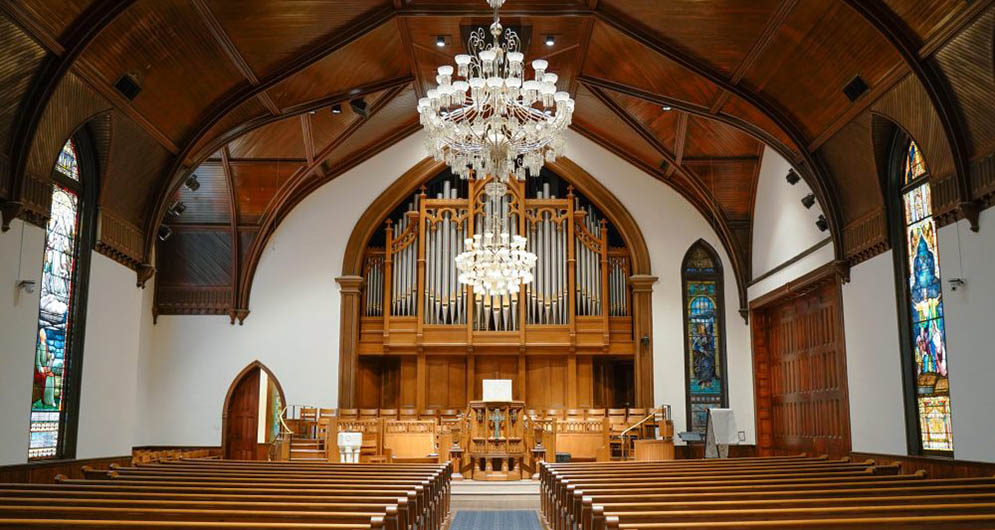
What makes Fourth Ward particularly enchanting is the juxtaposition of historic homes with modern city life. Alongside these preserved residences are pocket parks, tree-lined sidewalks, and art installations that invite leisurely exploration. Don’t miss the historic First Presbyterian Church, a Gothic Revival masterpiece completed in the 1890s, which anchors the district with its soaring spires and stained glass.
Wesley Heights: Suburban Charm from the Early 1900s
Venturing west of Uptown leads you to Wesley Heights, Charlotte’s first streetcar suburb. Developed in the early 20th century, this district represents a shift from Victorian extravagance to more modest, comfortable living for the growing middle class.
Wesley Heights offers a different architectural palette, dominated by Craftsman bungalows, Colonial Revivals, and Tudor-style homes. These residences emphasize handcrafted details, natural materials, and harmonious integration with nature. Walking through the neighborhood, you’ll see wide front porches perfect for socializing, low-pitched roofs with exposed rafters, and charming window shutters.
The layout of Wesley Heights, with its curving streets and abundant greenery, invites visitors to slow down and soak in the neighborhood’s peaceful ambiance. Community parks and walking trails add to the feeling of a close-knit neighborhood that honors its past while embracing modern livability.
Elizabeth: A Historic Neighborhood with Southern Grace
East of Uptown lies the Elizabeth neighborhood, another historic gem known for its graceful homes and vibrant community. Founded in the early 1900s and named after a local philanthropist, Elizabeth offers an eclectic mix of architectural styles including Colonial Revival, Craftsman, and American Foursquare.
The district exudes a warm southern charm, with large oak trees shading wide streets and homes featuring welcoming front porches and charming gables. Elizabeth is also known for its community spirit, hosting neighborhood events such as garden tours and holiday strolls that highlight its architectural treasures.
Walking through Elizabeth, you’ll encounter beautifully maintained historic homes that have been updated with modern comforts without losing their original character. The blend of old and new reflects the neighborhood’s commitment to preserving heritage while nurturing a dynamic, diverse community.
Architectural Highlights: What to Look For
Charlotte’s historic districts are rich in architectural details that tell stories of craftsmanship, design trends, and the lifestyles of bygone eras. Here are some key elements to keep an eye on during your explorations:
Victorian Details: Look for elaborate gingerbread trim, turrets, bay windows, and patterned shingles that add texture and whimsy to homes in Fourth Ward.
Stained Glass and Leaded Windows: Many historic homes feature colorful stained glass panels that cast beautiful light inside and hint at the owners’ tastes.
Handcrafted Woodwork: From porch columns to window casings, the woodwork in these neighborhoods often showcases skilled artisanship.
Brick and Stone Foundations: Early 20th-century homes, especially in Wesley Heights, often sit on sturdy brick or stone foundations that have stood the test of time.
Historic Porches: A defining feature of Charlotte’s historic homes, porches served as social spaces and are often decorated with vintage furniture or rocking chairs.
Rooflines and Chimneys: Pay attention to the steep pitches, dormers, and ornate chimneys that give character to the city’s historic rooftops.
Guided Tours and Self-Guided Wanderings
To truly appreciate Charlotte’s historic architecture, consider joining a guided walking tour. Local organizations and historical societies offer regular tours that delve into the history, architecture, and stories of these neighborhoods. Knowledgeable guides share insights on the families who lived there, architectural trends, and preservation efforts that saved these districts from decline.
If you prefer to explore on your own, maps and brochures are often available at visitor centers or online through Charlotte’s historic preservation office. Self-guided tours allow you to set your own pace, linger where you please, and discover hidden gems off the beaten path.
Dining and Local Culture Amidst History
While wandering these historic neighborhoods, you’ll find charming cafés, boutique shops, and local eateries housed in renovated buildings that blend the old with the new. Fourth Ward, for example, boasts several trendy restaurants tucked into historic structures, offering everything from Southern comfort food to innovative international cuisine.
Elizabeth’s small businesses and artisan markets provide a taste of the local creative spirit, often held in century-old commercial buildings that have been lovingly restored. Wesley Heights, with its quiet residential streets, is close to popular dining spots in nearby areas, perfect for refueling after a day of exploration.
Preservation and Community Spirit
What makes Charlotte’s historic districts so special is not just the architecture, but the passionate communities dedicated to preserving their legacy. Residents and local groups actively participate in restoration projects, educational programs, and cultural events that celebrate the city’s heritage.
The success of these efforts means that visitors can experience a living history—neighborhoods that breathe with life, not just preserved museums frozen in time. This dynamic balance between preservation and contemporary life gives Charlotte’s historic districts a unique vibrancy.
Practical Tips for Visiting
Wear comfortable shoes: Many streets are paved with brick or cobblestone, so sturdy footwear will make your walk more enjoyable.
Visit during daylight: Architectural details are best appreciated in natural light.
Bring a camera: These neighborhoods are incredibly photogenic, with picturesque homes and scenic streets.
Respect private property: Many homes are still private residences, so admire from public sidewalks and designated viewing areas.
Plan for weather: Charlotte’s climate in late fall is mild but can be unpredictable; dress in layers.

More Than Just Buildings
Charlotte’s historic districts are much more than a collection of charming old buildings—they serve as living archives that connect us deeply to the city’s rich and complex past. Each home, church, and public space tells a story not only of architectural styles and construction techniques but also of the generations of people who lived, worked, and built their communities here. Walking through these neighborhoods feels like stepping into a narrative woven from decades and even centuries of life, ambition, struggle, and celebration.
These architectural treasures reflect more than aesthetic beauty; they embody the skilled craftsmanship of the past. Intricately carved woodwork, hand-laid brick paths, stained glass windows, and carefully preserved facades are all testaments to artisans whose work endures far beyond their own lifetimes. It’s this attention to detail and pride in workmanship that gives these historic districts a timeless quality—a feeling that you are witnessing something rare and precious, a tangible link to heritage.
But perhaps what makes Charlotte’s historic neighborhoods truly special is the strong sense of community spirit that persists alongside the physical structures. These districts are not frozen in time; they are vibrant, lived-in spaces where residents actively celebrate their history while embracing the present. Local initiatives, preservation efforts, and neighborhood events keep the past relevant and accessible, inviting both residents and visitors to engage with the stories that shape the city’s identity.
For visitors, this means more than just sightseeing. Whether you’re drawn by an interest in architecture, a passion for history, or simply a desire to explore authentic places off the beaten path, Charlotte’s historic districts offer a unique opportunity to slow down and savor the details. Here, the old brick streets and elegant porches are not just backdrops but invitations—to imagine lives once lived, to appreciate the artistry of bygone eras, and to feel a genuine connection to a city that continues to evolve while honoring its roots.
In essence, Charlotte’s historic neighborhoods are a celebration of continuity—where the past and present meet, where stories linger in the air, and where every corner holds the charm and character that only time can create.